MixtapeNerd |
||||||||||||||
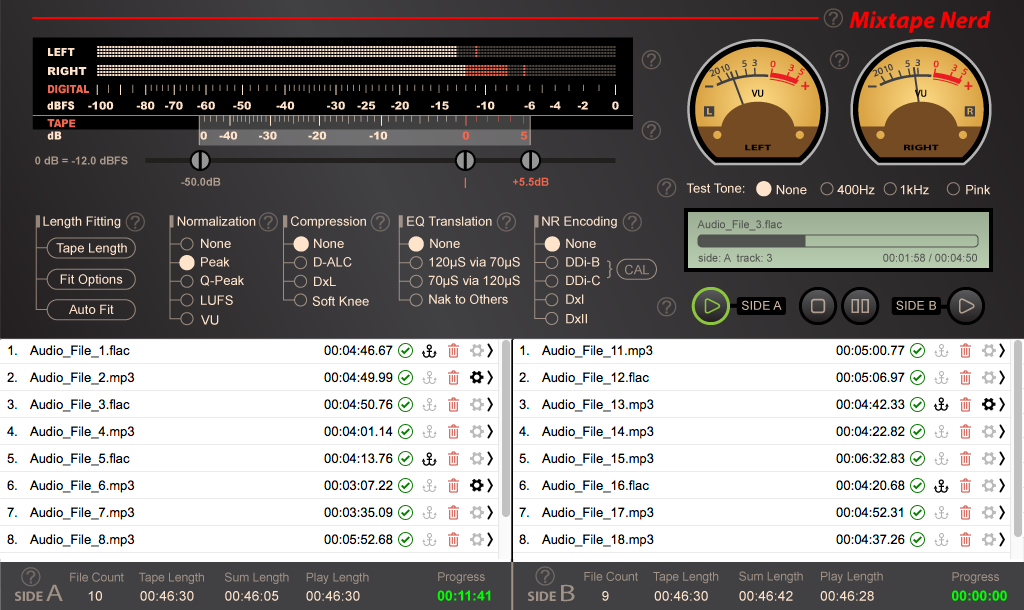
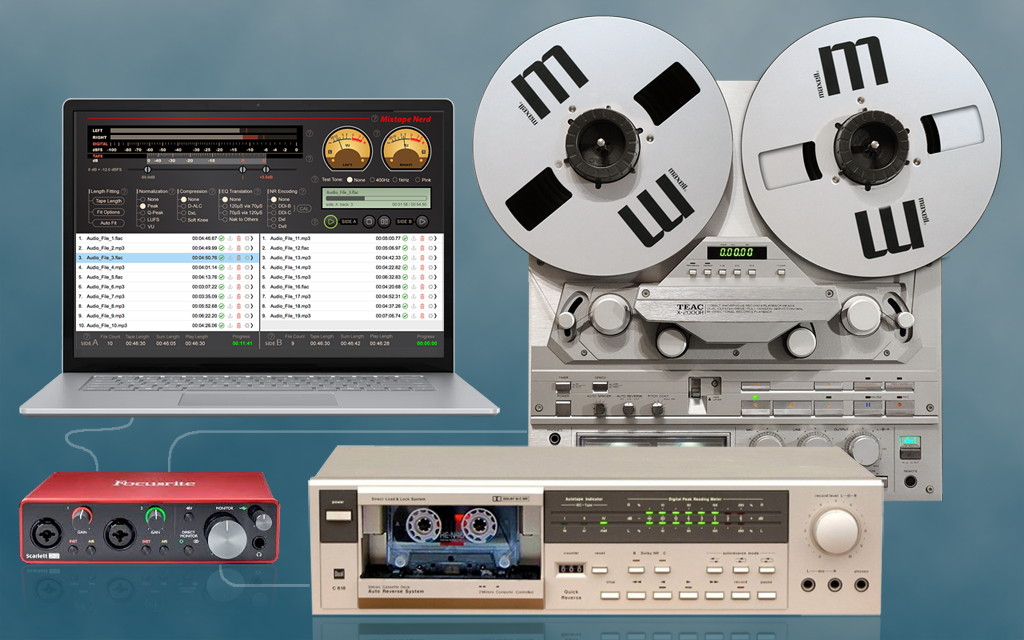
| MixtapeNerd is a dedicated app for curating and mastering analog mixtape with digital audio files. Designed specifically for audiotape enthusiasts, the app features a set of purpose-built tools for accomplishing digital-to-analog mixtape projects in an integrated environment. | ||||||||||||||
|
||||||||||||||
 |
||||||||||||||
|
||||||||||||||
 |
||||||||||||||
|
||||||||||||||
| Description | ||||||||||||||
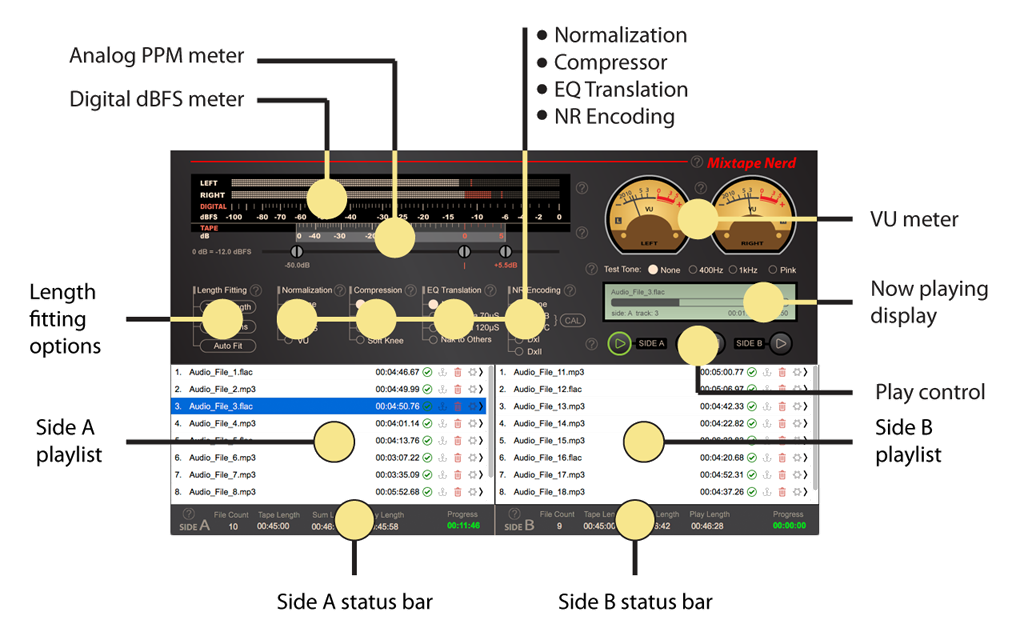
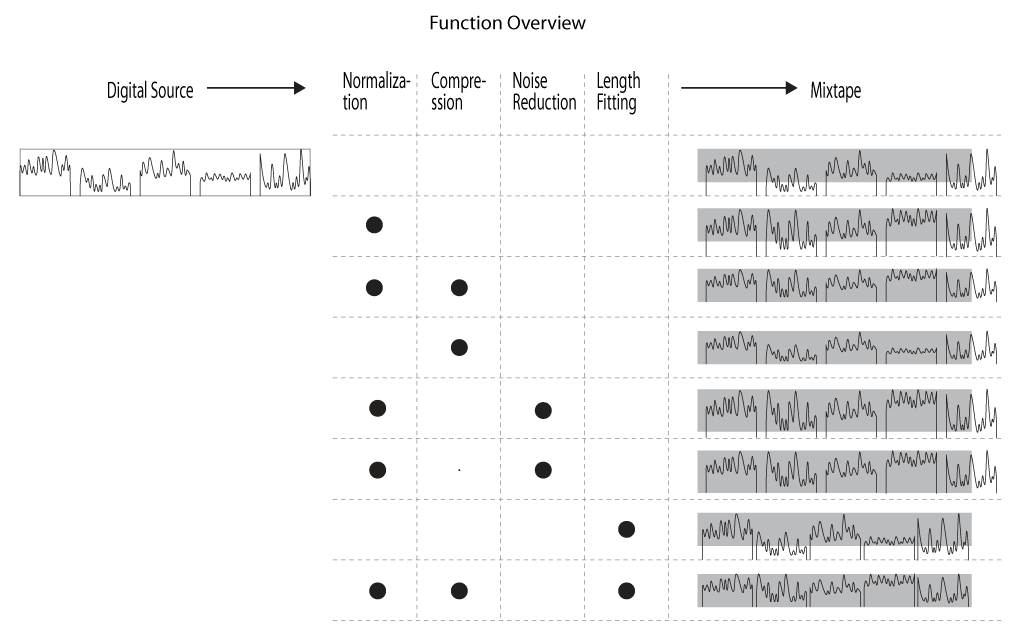
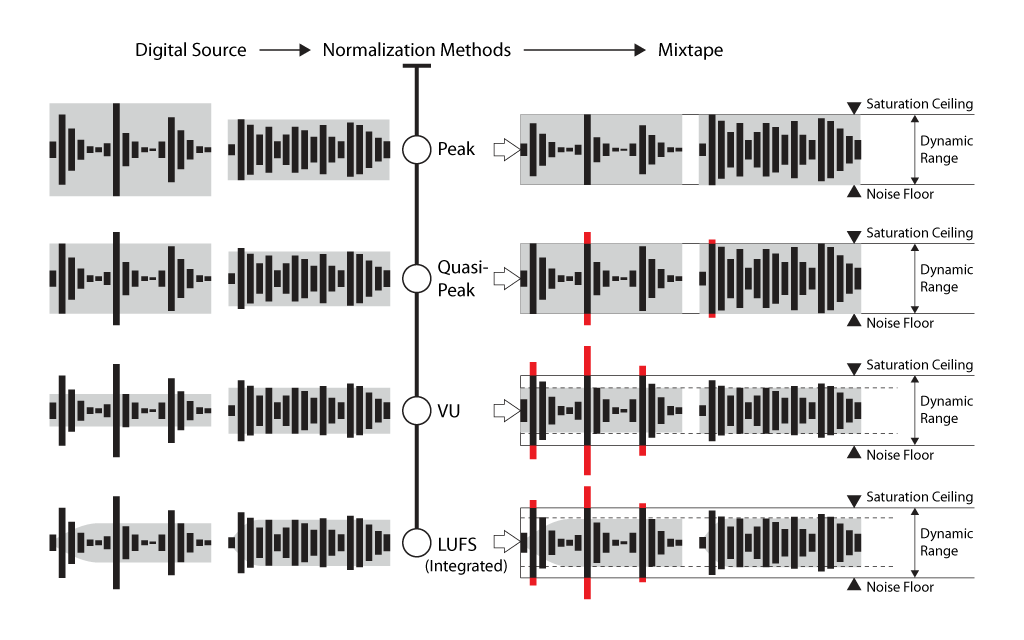
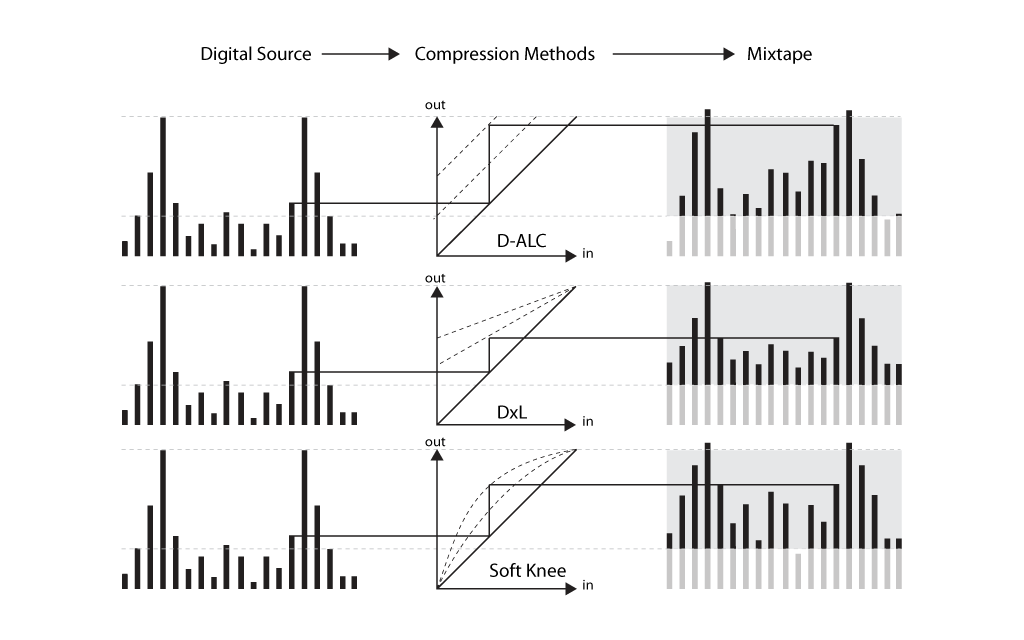
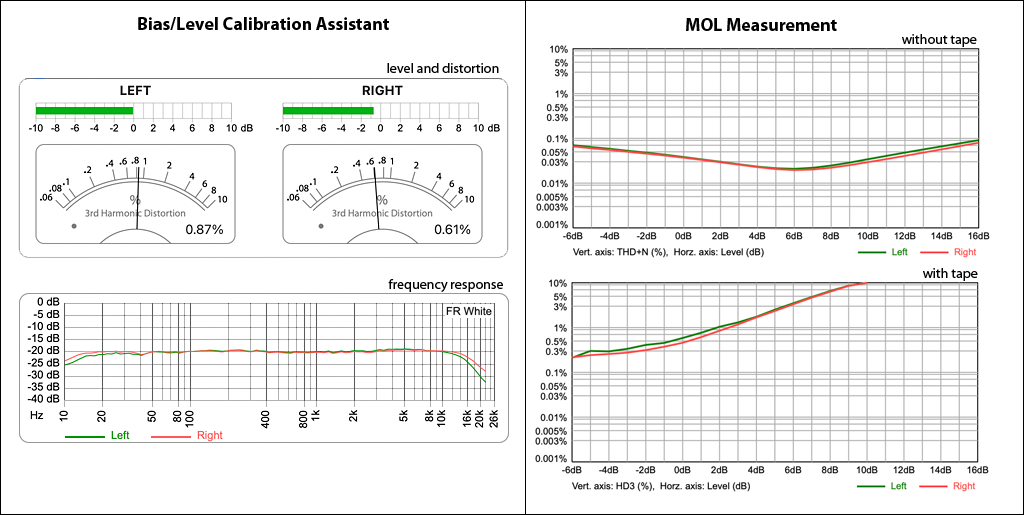
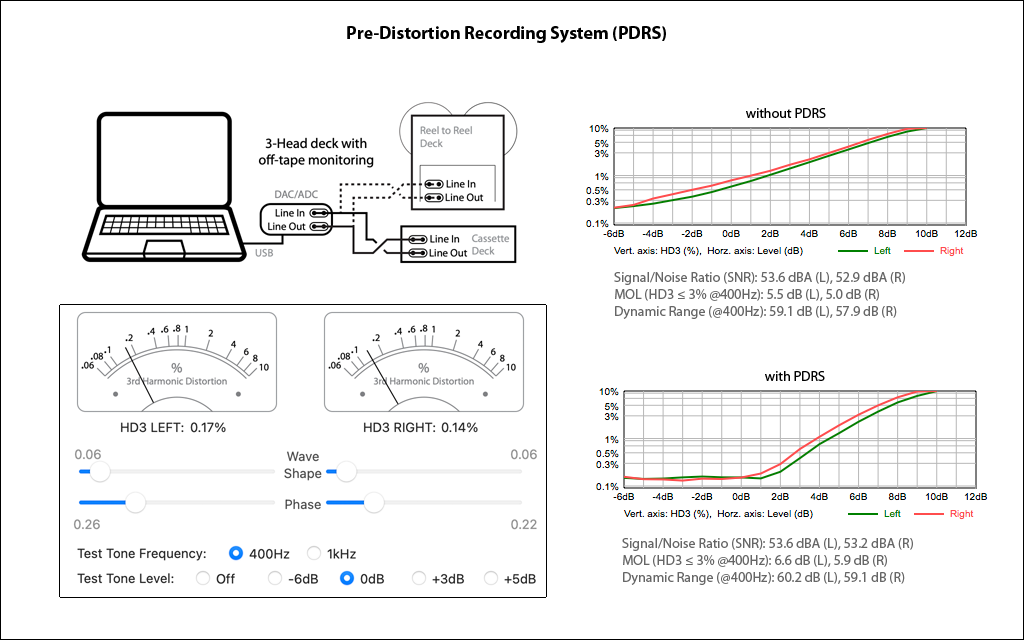
In today's digital age, if you're serious about making analog mixtapes, you probably have a good reason to commit to it. Like many other art forms, such as photographing, painting, singing, and cooking ..., analog mix-taping offers staged experiences, from casual and retro fun to deeply serious and meticulous craftsmanship. Each stage introduces growing complexity, demanding greater attention and deeper knowledge. This pursuit follows the Pareto principle. If you've already made more than a few digital-to-analog mixtapes, you may be surprised how much more effort it requires to achieve the next level of refinement. As you dive deeper, your standard for a successful analog mixtape rises, and tapes that once seemed perfectly acceptable may no longer hold up. Re-recording them isn't always a practical option, or the time and effort required are hard to justify. As a result, some mixtapes are left with awkward flaws: uneven levels, too "hot" or too "soft", tape running out mid-song, or a stretch of unused tape wasted at the end. Some subtle flaws aren't apparent until later — a recording that sounds good at one moment might not translate well across different playback systems to different listeners... As a result, many tape enthusiasts become surprisingly devoted to the pursuit of a flawless first pass — a goal hard to achieve overnight. For a long time, making analog mixtape has been regarded as a craft that demands patience, repetition, and experience. Success depends largely on one's ability to interpret the visual cues of the tape recorder's level meter and estimate the optimal recording level by ear and instinct. This approach made sense when technology was less advanced or less accessible. At that time, the tape recorder's built-in level meter was the only available tool for help, which is simple and convenient, but far from comprehensive. You have to know the source material so well that you can predict their dynamics upfront, and you need to understand the tape and recorder so intimately that you can accurately estimate its safe operating range, and then align the two as best as you can. As a result, this makes your mixtape workflow relies heavily on trial-and-error approach guided by subjective judgments. The fewer copies you plan to make, the harder to justify the time and effort, and the easier to fall into a trad-off deal. Today, digital audio workstations (DAWs) are powerful and affordable tools. They let you analyze, organize, and even remaster audio files on a computer beforehand, and then record to analog mixtape through a decent DAC. However, analog tape recording is a delicate, multi-factor balancing act. General-purpose tools often fall short unless heavily customized with domain-specific knowledges and programmed for reasonable automation. When a niche pursuit isn't on the focus of mainstream tools, it tends to become a true labor of love. MixtapeNerd is a dedicated app developed based on a series of "nerdy/geeky" efforts in pursuing a streamlined mix-taping experience. It integrates a set of purpose-built digital audio processors to focus on doing one job well. When you first use this app, it presents itself as a simple playlist tool, making it easy to integrate into your existing workflow. From there, you will be encouraged to explore a series of enhancement features one at a time. If some of them feel unfamiliar to you, the app comes with built-in documentations, wizards, measurement tools and online videos to assist you getting started and progressively picking up its special workflow. Technically, the app aims to introduce a new mixtape workflow that improves engineering accuracy, reduce subjective uncertainty, and hence, increase first-pass success rate. It comes with dedicated tools for each of the 3-stage mix-taping workflow, which are: curation, mastering, and duplication. In the curation stage, the app provides tools to automatically fit a set of audio tracks within the target tape length, including silence padding or trimming, crossfades and fade-outs, and track reordering optimized for double-sided tapes. In the mastering stage, the app pre-analyzes all selected digital audio files on your behalf, summarizes their audio dynamics using industrial-standard metrics (Peak, RMS, VU, LUFS…). It also estimates the safe operating range of your tape and recorder system using professional measurements (MOL and SNR relative to the Reference Level). Based on the collected data, the app recommends optimal recording levels and, when appropriate, the use of advanced processing tools such as the Level Normalizer, DR (Dynamic Range) Compressor/Expander, EQ Translator, and Standard NR (Noise Reduction) encoders. A custom-designed level meter displays digital and analog scales side by side, providing real-time visual feedback and interactive controls. This enables more precise adjustment than traditional recording methods, helping you maximize tape performance while avoiding both overdriving and underdriving. If you are using a 3-head tape deck with off-tape monitor feature, you can also let the app measure the the recording system, calibrate/optimize recording settings, even apply pre-distortion technique. You can preview, test and refine the result in real-time, and fine-tune the settings as needed before making the final recording. In the duplication stage, the app exports your mixtape project to a master audio file per side for offline duplication, with an optional auxiliary audio file containing a reference test tone for calibrating future duplication system. Alternatively, you can play the mixtape project directly from the app for real-time tape recording, optionally driving the sound card in exclusive mode for the shortest and cleanest audio path. If you are using a 3-head tape deck with off-tape monitor feature, you can also let the app compare the off-tape recording against the original audio in real-time, plotting deviation curves along the timeline for quick visual assessment of recording quality and potential issues. [Note] To use this app to its full potential, basic understanding of analog tape recording would be highly beneficial, e.g.: terms like "dB", "VU", "MOL", "SNR" and "THD", as well as "dBFS" and digital headroom... The app's core functionalities are designed around these concepts. While the new workflow could be somewhat counterintuitive, the app comes with documentation, wizard, task-specific guides, and online videos to ease the learning curve. Once you've picked up the new workflow, it will become effortless to repeat. But please be aware before acquiring the app. |
||||||||||||||
 |
||||||||||||||
Limitations: Please note, this app is not a PRO grade tool by design, instead, it is a lightweight utility for audio enthusiasts who appreciate tape-based analog HiFi. Analog mix taping is a multi-factor optimization art, harmonizing objective rules and subjective preferences. Everyone has unique workflow and feature requests to suggest. Developing a universally accommodating software for serving such a task is a challenge, especially with limited resources. Hence, this app retains its commitment to being focused, concise and cost-effective, and steering clear of an overwhelming user interface akin to a spaceship's cockpit. Nevertheless, there might still be a bit of a learning curve to getting started. Especially for beginners, this app is merely a tool rather than a cookbook, having a basic understanding of analog tape recording beforehand would be of great help to overcome the initial learning curve. Please also be mindful of the following technical constraints: - Online streaming sources are not supported, unless pre-downloaded as local files. |
||||||||||||||
Minimum System Requirements
How to Install: |
||||||||||||||
 |
||||||||||||||
 |
||||||||||||||
 |
||||||||||||||
 |
||||||||||||||
 |
||||||||||||||
| Off-Tape Recording Monitor (experimental) | ||||||||||||||
| This feature compares pre- and post-tape audio signals in real time and shows the deviations on the time line (works only with a 3-head tape recorder with off-tape monitoring feature). | ||||||||||||||
| In the ideal case, the two result curves should be perfect horizonal lines regardless of the dynamics of the real audio content. However, such a theoretical result is hard to reach in the reality. For example, the curves may be a tiny bit jagged in a direct loopback test: | ||||||||||||||
 |
||||||||||||||
| Example curves recording music on a brand new tape: | ||||||||||||||
 |
||||||||||||||
| Example curves recording music on a used tape: | ||||||||||||||
 |
||||||||||||||
| Example curves recording music on a used tape with damaged segments: | ||||||||||||||
 |
||||||||||||||
|
||||||||||||||
|
||||||||||||||
See also: Short Introduction Video
|
||||||||||||||


